
Portugal, Spain, Bulgaria, UK, Italy and Other European Countries Stealing Headlines in Tourism Sector

Spain and Portugal Lead Tourism Explosion
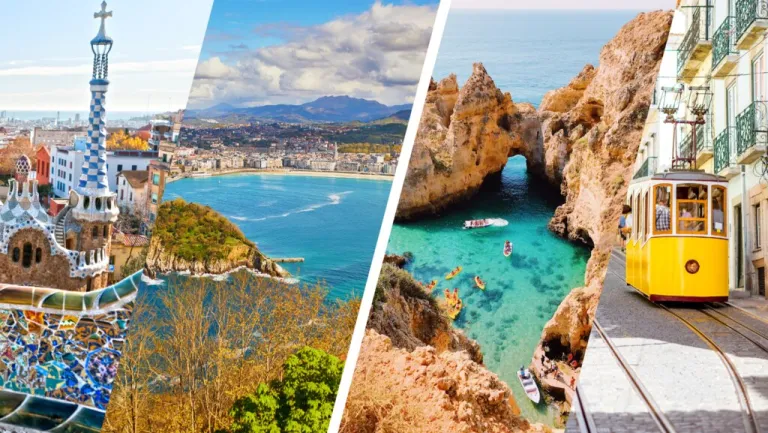
Outpacing the rest of Europe, Spain and Portugal are seeing extraordinary increases in tourism. Due to significant infrastructure investments and strategic government initiatives, both Iberian countries report record-breaking foreign arrivals.
From Mediterranean coastlines to cultural hubs like Madrid, Seville, and Barcelona, Spain's Ministry of Industry, Trade, and Tourism has launched aggressive marketing campaigns showcasing the nation's varied offerings. Multi-city Spanish itineraries are now more accessible than ever thanks to new high-speed rail connections that drastically cut travel times between major cities.
Lisbon and Porto, which combine historic charm with contemporary vibrancy, are at the heart of Portugal's tourism boom. Lisbon's blend of modern venues like LX Factory and classic attractions like Belem Tower has drawn a lot of foreign tourists, according to the Portuguese Tourism Agency. Wine lovers are still drawn to Porto because of its well-known port wine cellars and picturesque Douro River valley.
Through eco-tourism programs, both nations place a high priority on sustainability. While Portugal's National Tourism Strategy stresses striking a balance between economic growth and environmental conservation, especially in protected areas, Spain concentrates on green spaces and eco-friendly infrastructure in popular tourist destinations.
Revolutionary ETIAS System Transforms European Entry
Travelers from Portugal, Spain, Italy, Bulgaria, the UK, and more than 60 visa-exempt nations will have to use the European Travel Information and Authorization System (ETIAS) in order to enter 30 European countries starting in late 2026.
ETIAS is a required digital travel authorization that costs €20 (roughly Rs 1,800) and is valid for three years or until the passport expires. It is not a visa. All 27 Schengen states as well as Bulgaria, Romania, and Cyprus are among the participating nations where the system permits multiple entries for stays up to 90 days within any 180-day period.
The application process is simple: via the official ETIAS website or mobile app, travelers fill out an online form with their passport details, travel itinerary, and background information. Although complicated cases can take up to four days, approvals usually happen in a matter of minutes.
ETIAS seeks to simplify border control while improving security through pre-travel screening. The system functions in tandem with the Entry/Exit System (EES), which has been in use since October 2025 and substitutes electronic biometric registration, such as fingerprints and facial scans, for passport stamping.
For Indian travelers planning European holidays, ETIAS represents minimal inconvenience—a one-time application covering multiple countries for three years. However, the €20 fee and mandatory application add steps to travel planning that weren't previously necessary.
UK Implements Parallel Travel Authorization
While European nations roll out ETIAS, the UK enforces its own Electronic Travel Authorisation (ETA) system starting February 2026. Travelers from 85 visa-exempt countries, including India, must obtain digital permits costing £16 (approximately Rs 1,700) for short stays up to six months.
The UK's ETA operates independently from ETIAS, meaning travelers visiting both Britain and continental Europe need separate authorizations—a potential source of confusion requiring careful planning for multi-destination European trips.
Italy Faces US Visa Waiver Tightening
Italy joins Iceland, Malta, Portugal, Spain, Switzerland, and 20+ European nations facing stricter travel barriers as the United States tightens its Visa Waiver Program (VWP). Enhanced security measures introduce expanded data collection, mandatory social media disclosures from the past five years, and additional biometric requirements for European travelers seeking US entry.
These changes, effective throughout 2026, significantly affect business and leisure travel between Europe and America, particularly ahead of major events like the 2026 FIFA World Cup. The enhanced ESTA (Electronic System for Travel Authorization) process increases scrutiny, potentially delaying approvals and affecting tourism flows.
Bulgaria's Digital Nomad Appeal
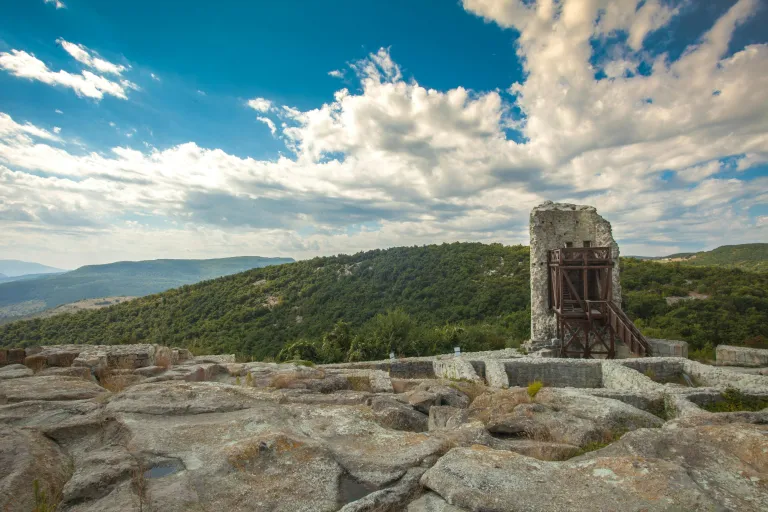
Bulgaria stands out through its attractive digital nomad visa program, offering remote workers long-term EU access combined with stunning Black Sea coastlines, affordable living costs, and growing tech hubs in Sofia and Plovdiv. The country positions itself as an ideal base for location-independent professionals exploring Europe while maintaining reasonable budgets.
Bulgaria's inclusion in the expanded Schengen travel framework means ETIAS authorization allows movement throughout participating countries, making it strategically valuable for digital nomads planning extended European stays.
Rising Costs and Quality Tourism Push
European destinations implement cost-hiking measures serving dual purposes—controlling visitor numbers and funding tourism infrastructure. Tourist taxes proliferate across the continent, with Venice continuing its controversial day-tripper fee and Bucharest introducing new visitor levies despite hospitality industry opposition.
These measures align with Europe's "quality tourism" philosophy, shifting focus from mass budget tourism toward attracting fewer, higher-spending visitors creating less infrastructure strain. Ski resorts in Switzerland, Austria, and Italy exemplify this trend, with pass prices jumping up to 40% compared to 2021 due to soaring energy costs and maintenance expenses.
Short-term accommodation restrictions expand across major cities including Paris, Barcelona, and Budapest's 6th District, reducing Airbnb-style lodging availability to combat inflated local rent prices. While benefiting residents, these restrictions push accommodation costs higher for travelers.
Behavioral Crackdowns Across Popular Destinations
Beyond financial measures, European destinations implement strict regulations addressing tourist conduct. Spain's San Sebastián joins numerous coastal cities banning beach smoking, while Portugal's Albufeira introduces fines for inappropriate dress codes and disruptive behavior.
These regulations reflect growing tensions between tourism-dependent economies and overwhelmed local infrastructure. Authorities seek sustainable solutions balancing visitor access with residents' quality of life—a delicate equilibrium becoming increasingly challenging as post-pandemic travel demand surges.
What This Means for Indian Travelers
Indian travelers planning European vacations in 2026 face a significantly different landscape:
Budget Considerations: Factor in ETIAS (€20), UK ETA (£16 if visiting Britain), increased accommodation costs due to Airbnb restrictions, and higher tourist taxes across major cities. Overall trip costs are 15-25% higher than previous years.
Planning Requirements: Apply for ETIAS and UK ETA well before travel dates. Allow processing time, though approvals are typically quick. Ensure passport validity extends beyond your planned stay, as ETIAS links directly to passport expiration.
Biometric Preparation: Expect fingerprint scanning and facial recognition at European borders under the EES system. First-time entry takes longer as biometric data is captured and stored for subsequent visits.
Behavioral Awareness: Research specific destination regulations regarding beach smoking, dress codes, and conduct rules. Fines for violations can be substantial, and ignorance isn't accepted as excuse.
Enhanced Opportunities: Despite increased costs and regulations, record tourism growth in Spain and Portugal means expanded flight connectivity, improved infrastructure, and enhanced tourist services across popular destinations.
Europe's Tourism Future
The convergence of digital border systems, sustainability initiatives, and quality-focused tourism strategies signals Europe's commitment to managing tourism flows intelligently. While adding complexity and cost to travel planning, these measures aim to preserve destinations for future generations while maintaining Europe's position as the world's premier travel region.
For Indian travelers, Europe remains extraordinarily accessible and diverse despite new requirements. The continent offers unmatched cultural richness, historical depth, and natural beauty—from Portugal's Atlantic coast to Bulgaria's mountain villages. Understanding and preparing for 2026's new travel landscape ensures smooth, enjoyable European adventures that create lasting memories while respecting local communities and environments.
As Spain and Portugal demonstrate record-breaking growth, Italy maintains its timeless appeal, Bulgaria emerges as a digital nomad haven, and the UK forges its independent travel authorization path, one thing remains certain: Europe continues captivating global travelers, evolving thoughtfully to balance tourism's economic benefits with sustainability imperatives and quality-of-life concerns for residents who call these beautiful destinations home.
Keywords: Europe tourism 2026, ETIAS travel authorization, Spain Portugal tourism growth, Italy travel news, Bulgaria digital nomad visa, UK ETA requirements, European travel rules 2026, Schengen Area entry requirements, Europe tourist taxes, sustainable tourism Europe, European vacation planning India
Published at

Subscribe our Newsletter
Get our weekly tips and travel news!
Related Posts
West Bengal: Tagore's Residence Santiniketan Achieves UNESCO World Heritage Status
Santiniketan, a town in West Bengal's Birbhum region where Nobel laureate Rabindranath Tagore spent much of his life, has been added to the UNESCO World Heritage List.
UK Visitor Visa Fee Hiked: What's the New fee?
Planning to visit the United Kingdoms? Watchout for this Hike in Visa Charges. A UK tourist visa for less than six months will cost an additional £1,543 (£ 15), while UK student visas will cost an additional £13,070 (£127) for visitors from all over the w
India Issues Caution for Travel to Canada - Visa suspended
The advisory, issued by the Ministry of External Affairs (MEA), comes amid a diplomatic row between the two countries over allegations that the Indian government may be linked to the extra-judicial killing of a Sikh separatist in Canada.
First snowfall of the season in Gulmarg
As the chilly winds of winter start to sweep across the northern regions of India, Gulmarg, the crown jewel of Jammu and Kashmir, has once again transformed into a breathtaking winter wonderland. Nature's magic was on full display as Gulmarg recently...
Biswanath Ghat: Best tourism village of India 2023
In an exciting announcement, Biswanath Ghat in Assam has been crowned as India's "Best Tourism Village of 2023" by the Ministry of Tourism. This well-deserved recognition is a testament to the village's unique blend of cultural heritage, natural beau...
Latest Posts
Cheap International Flights from India: Affordable Destinations for 2026
Looking for affordable international flights from India? These destinations offer some of the cheapest flight options for Indian travellers in 2026.
China Southern Resumes Delhi–Guangzhou Flights After 6 Years: What Indian Travellers Should Know
China Southern Airlines will resume daily Delhi–Guangzhou flights from September 21 after a six-year suspension. Here's what Indian travellers should know.
South Korea Expands Visa Application Services in India: What Travellers Need to Know
South Korea has expanded its visa application network across India, with services available in New Delhi, Bengaluru, Chennai and Kolkata. Here's what the change means for Indian travellers.
Indian Airlines Cut September Flights by 4.5%: What Travellers Need to Know
India's airline capacity has fallen 4.5% in September 2026, with domestic flights down 5.6%. Here's what the latest OAG data means for air travellers.
Delhi Travel Advisory for BRICS Summit 2026: Airport, Train Travel and Traffic Restrictions
Delhi is expecting major traffic restrictions during the BRICS Summit from September 11–13. Here's what airport, railway and road travellers need to know.