
Best and Worst Time to Visit the Taj Mahal
The Taj Mahal, a monument synonymous with love and architectural brilliance, beckons travelers worldwide. But with its grandeur comes the question: when is the best (and worst) time to visit this iconic landmark? Fear not, for this comprehensive guide will navigate the seasons of Agra, the city housing the Taj Mahal, unraveling the ideal time for your dream encounter with this architectural marvel.
Also Read: 2023 Ultimate Guide to Visiting the Taj Mahal
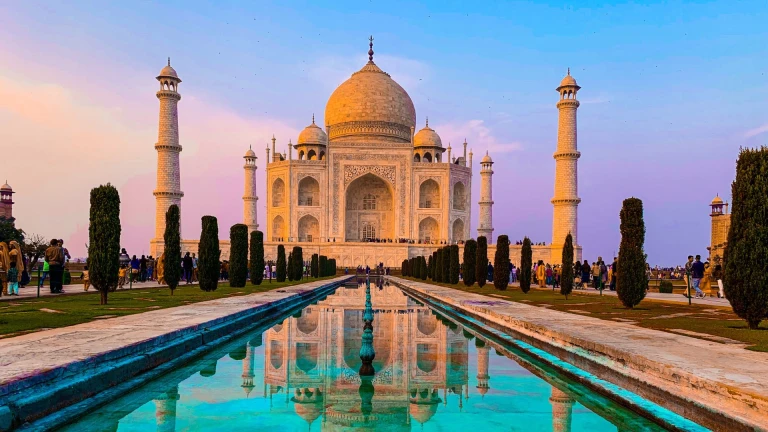
Unveiling Agra's Seasons: A Tapestry of Weather
Agra experiences three distinct seasons, each impacting your Taj Mahal experience:
Winter (October to March): This is widely considered the golden period for visiting the Taj Mahal. The weather is pleasant, with temperatures ranging from 15°C to 27°C (59°F to 81°F). Clear skies, low humidity, and gentle breezes make sightseeing a delight.
Summer (April to June): The scorching summer sun descends upon Agra, with temperatures soaring up to 45°C (113°F). While the heat can be daunting, the crowds are thinner compared to the peak season.
Monsoon (July to September): The monsoon brings much-needed respite from the summer heat. However, heavy downpours and occasional disruptions in travel can pose challenges.
Winter Wonderland (October to March): Best Time to Visit
Winter offers the perfect setting to witness the Taj Mahal's captivating beauty:
Pleasant Exploration: The comfortable temperatures allow you to explore the intricate details of the monument without the sweltering summer heat hindering your experience.
Golden Hour Magic: Winter mornings and evenings boast stunning golden light, bathing the Taj Mahal in a warm glow, perfect for capturing breathtaking photographs.
Festive Delights: Agra comes alive during winter with vibrant festivals like Diwali, adding a touch of cultural immersion to your trip.
Things to Consider:
Peak Season Crowds: Winter is the busiest tourist season. Expect higher prices and more crowds, especially during holidays. Booking tickets and accommodation in advance is essential.
Foggy Mornings: While rare, Agra can experience occasional morning fog during winter. This might temporarily obscure the Taj Mahal's view.
Summer Siesta (April to June): A Time for Patience and Planning (aka Worst Time to Visit)
While the summer heat might deter some, strategic planning can make your Taj Mahal visit in the summer worthwhile:
Thinner Crowds: Summer offers a chance to experience the Taj Mahal with fewer crowds, especially during weekdays.
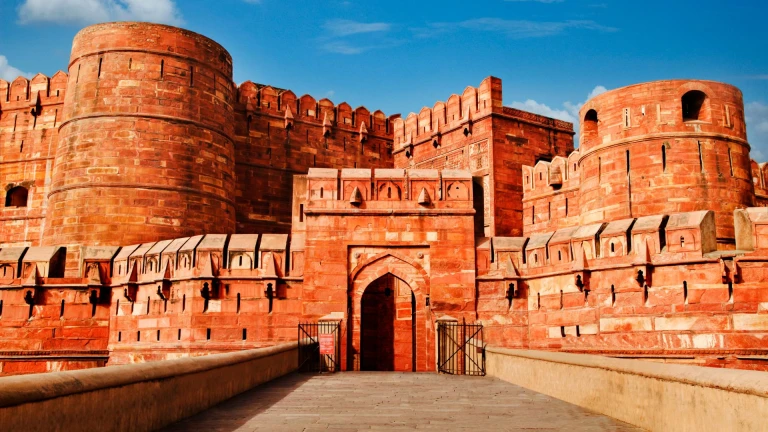
Exploring Beyond the Taj: The scorching sun might limit sightseeing time, but you can explore Agra's other historical sites like Agra Fort or Itmad-ud-Daulah's tomb during cooler mornings and evenings.
Things to Consider:
The Scorching Heat: Be prepared for the intense heat with proper hydration, sunscreen, and light, breathable clothing.
Limited Outdoor Activities: The extreme heat might limit outdoor activities and exploration, so plan your itinerary accordingly.
Monsoon Majesty (July to September): Unveiling a Different Agra
The monsoon season, often overlooked, offers a unique perspective on Agra and the Taj Mahal:
Lush Landscapes: The relentless rains transform Agra's arid landscape into a verdant paradise. Witness the surrounding gardens teeming with life and the Yamuna River in full flow.
Monsoon Discounts: Hotels might offer discounts during the monsoon, making it a budget-friendly travel option.
Things to Consider:
Heavy Rainfall: Monsoon rains can disrupt travel plans and cause occasional closures of the monument. Be flexible with your itinerary and pack rain gear.
Limited Visibility: Heavy downpours can sometimes restrict clear views of the Taj Mahal.
Beyond the Seasons: Tailoring Your Taj Mahal Trip
The ideal time to visit the Taj Mahal ultimately depends on your preferences:
For Pleasant Weather and Sightseeing: Winter (October to March) is the clear winner.
For Budget Travel and Fewer Crowds: Consider the shoulder seasons (September-October and April-May). However, be prepared for slightly unpredictable weather.
For Photographers: Winter mornings and evenings offer the best lighting for capturing stunning photos of the Taj Mahal.
Beyond the Weather: Unveiling Agra's Treasures
Agra offers more than just the Taj Mahal. Here are some other experiences to consider:
Agra Fort: Explore the majestic Agra Fort, a UNESCO World Heritage Site, and delve into Mughal history.
Itmad-ud-Daulah's Tomb: Also known as the "Baby Taj," this smaller tomb offers a glimpse into Mughal architectural techniques.
Mehtab Bagh: Enjoy a serene sunset view of the Taj Mahal from Mehtab Bagh, a Mughal-era garden complex offering a unique perspective of the monument.
Jama Masjid: Witness the architectural grandeur of Jama Masjid, one of the largest mosques in India.
Sadar Bazaar: Immerse yourself in the vibrant atmosphere of Sadar Bazaar, a bustling marketplace known for its handicrafts and souvenirs.
Planning Your Taj Mahal Trip: Tips and Tricks
Here are some additional tips to ensure a smooth and enriching experience in Agra:
Book Tickets in Advance: Especially during peak season (winter) and around holidays, booking tickets for the Taj Mahal online well in advance is crucial.
Choose the Right Time of Day: Early mornings or late afternoons offer the most pleasant temperatures and potentially fewer crowds for your visit.
Respect Local Customs: Dress modestly when visiting religious sites like the Taj Mahal and Agra Fort. Be mindful of local customs and traditions.
Beware of Touts: Touts might approach you near the Taj Mahal. Be polite but firm in declining unsolicited services.
Hire a Reputable Guide: Consider hiring a knowledgeable guide to enhance your understanding of the Taj Mahal's history and architecture.
Explore Beyond Agra: Extend your trip to explore nearby destinations like Jaipur, the "Pink City," or Delhi, the capital of India.
Also Read: What to Expect When Travelling to India: Expectations vs Reality
Unveiling the Timeless Beauty: A Journey Beyond Seasons
The Taj Mahal transcends seasons, captivating visitors year-round. By understanding the unique offerings of each season and tailoring your trip to your preferences, you can create a memorable encounter with this architectural marvel. Whether you seek comfortable sightseeing weather or a budget-friendly experience, Agra and the Taj Mahal offer a timeless experience waiting to be unveiled.
Published at
About Author

Manya Shastry
Subscribe our Newsletter
Get our weekly tips and travel news!
Related Posts
12 Insider Tips for Exploring Kochi Like a Local
Discover the spice-scented streets, tranquil backwaters, and vibrant art scene that define this enchanting coastal city in Kerala, India.
10 Best travel hacks for solo travelers in India
Ready for a solo adventure in India? Discover the best travel hacks for solo travelers!
10 Ultimate Hacks to Book the Best Hotels for Cheap
From timing your bookings strategically to leveraging rewards programs and alternative accommodations, learn how to unlock savings and enjoy unforgettable travel experiences on a budget.
10 Common Mistakes Every Traveler Makes
Indian travelers often overpack, skip travel insurance, and neglect local customs. Embrace light packing, smart planning, and cultural respect for a smooth and unforgettable trip.
Top 11 beginner Mistakes to Avoid in Kerala
Planning a trip to Kerala? This blog unpacks 13 mistakes to avoid in God's own Country!
Latest Posts
Discover 10 affordable international destinations for Indians with budget travel tips and top attractions.
Monsoon Travel Alert: Essential Safety Tips for Travelling During India's Rainy Season
Stay safe this monsoon with essential travel alerts, weather updates, and smart safety tips for your trip.
Visa Rules for Indian Travellers Change in 2026: Here's What You Need to Know
Iran, Bolivia, Cape Verde, and Nicaragua have updated visa rules for Indian travellers in 2026.
Air India Express has launched direct flights between Navi Mumbai and Abu Dhabi, becoming the first airline to operate scheduled international services from Navi Mumbai International Airport.
Uttar Pradesh plans to integrate its Buddhist and religious tourism circuit across eastern UP, improving connectivity, infrastructure, and spiritual travel experiences for domestic and international visitors.