
Australia Bans Social Media for Kids Under 16 in December 2025
World's first nationwide social media age restriction affects family travel and youth tourism globally.
Australia Implements World-First Social Media Ban for Under-16s
Australia made history on December 10, 2025, by becoming the first country to enforce a nationwide ban preventing children under 16 from accessing major social media platforms. The landmark legislation affects over one million young users across platforms including TikTok, Instagram, Facebook, YouTube, Snapchat, Reddit, X, Twitch, Threads, and Kick.
Under the new law, social media companies face fines up to $50 million if they fail to take reasonable steps to prevent under-16s from creating or maintaining accounts. The ban carries no penalties for children or parents, placing full responsibility on tech platforms to enforce age restrictions through technologies like facial recognition and government ID verification.
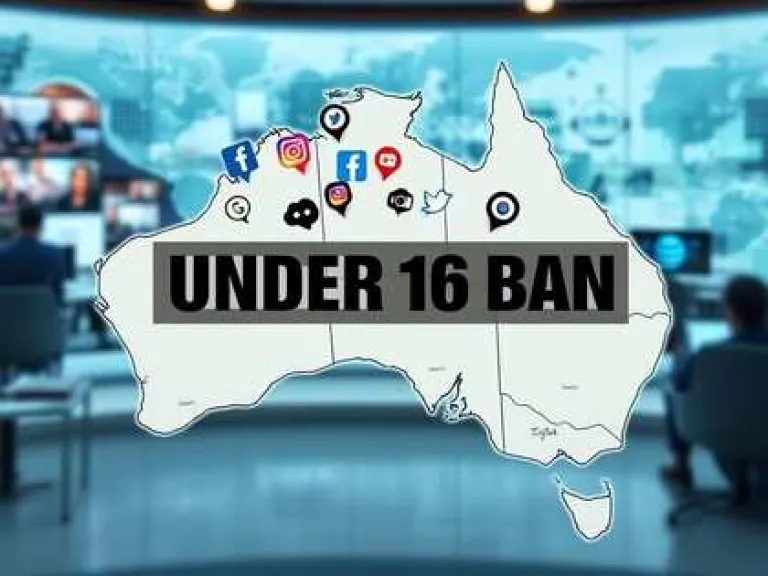
Which Platforms Are Banned for Australian Children?
Ten major platforms must now block Australian users under 16. The restricted list includes Instagram, Facebook, YouTube, TikTok, Snapchat, Reddit, X, Twitch, Kick, and Threads. Notably, platforms like WhatsApp, Pinterest, Roblox, Messenger, Discord, and YouTube Kids remain accessible as they serve educational, healthcare, or communication purposes rather than primarily social interaction.
The eSafety Commissioner maintains and updates the official list of age-restricted platforms. Over 200,000 TikTok accounts were deactivated on the first day of implementation, with Meta closing Instagram, Threads, and Facebook accounts for underage users starting December 4, 2025.
How This Affects Family Travel to Australia
The social media ban introduces unique considerations for families planning Australian vacations. International visitors should understand that children under 16 traveling to Australia cannot legally access age-restricted social media platforms while in the country, regardless of their home nation's laws.
Parents traveling with teenagers may face challenges as young travelers traditionally use social media to share vacation experiences, stay connected with friends back home, and document their journeys. The ban encourages families to embrace more traditional vacation styles focused on in-person interactions and offline experiences.
Tourism operators targeting family demographics may need to adjust marketing strategies, as teen social media influencers under 16 can no longer promote Australian destinations through personal accounts on major platforms. This shift could change how destinations reach younger audiences and their families.
Global Tourism Industry Watches Australia's Experiment
Countries worldwide are monitoring Australia's implementation closely as they consider similar measures. Malaysia and New Zealand have advanced proposals for under-16 social media bans, while the European Parliament passed a non-binding resolution advocating for age 16 minimum access with parental consent for 13 to 15-year-olds.
If successful, Australia's model could reshape global youth travel patterns and family tourism marketing. Travel companies may need to develop offline engagement strategies for younger travelers, while destinations could emphasize adventure activities, educational experiences, and real-world connections over social media-friendly moments.
The ban positions Australia as a testing ground for whether governments can effectively challenge Big Tech's influence on children. With 77 percent of Australians supporting the measure according to YouGov polling, public sentiment strongly backs protecting youth from online pressures during critical developmental years.
Challenges and Criticisms of the Ban
Despite broad support, the legislation faces significant criticism from tech companies, youth advocates, and digital rights groups. The Digital Freedom Project launched High Court legal action arguing the ban violates constitutional protections for political communication. Critics warn that teenagers will simply migrate to less regulated, potentially more dangerous platforms to circumvent restrictions.
Enforcement concerns dominate discussions, as age verification technology remains imperfect. Some Australian children report successfully bypassing age checks by drawing facial hair to fool facial recognition systems, while others use virtual private networks to appear located in different countries. Communications Minister Anika Wells acknowledges these workarounds but insists eventual detection is inevitable.
Privacy advocates express serious concerns about mandatory age verification systems requiring sensitive personal data collection. The tension between child safety and privacy protection creates ongoing debate about whether the cure proves worse than the disease.
Mental Health Benefits Drive Support
Supporters emphasize potential mental health benefits for Australian youth. Research increasingly links heavy social media use to anxiety, depression, cyberbullying, and exposure to harmful content among teenagers. The ban aims to delay social media exposure during critical brain development years when young people are particularly vulnerable to online pressures.
Flossie Brodribb, a 12-year-old ban advocate, told lawmakers she hopes other countries follow Australia's lead, stating the measure will help kids grow up healthier, safer, and more connected to the real world. Parent advocates whose children suffered from online sextortion scams and cyberbullying view the ban as essential protection that gives families power back from tech giants.
However, mental health experts remain divided. While some praise the protective measure, others argue that comprehensive digital literacy education, improved platform design, and parental controls offer more effective long-term solutions than blanket age restrictions that push youth activity underground.
What Travelers Should Know About Enforcement
Australian Prime Minister Anthony Albanese acknowledged the system won't work flawlessly immediately, comparing it to liquor laws where occasional teenage violations don't diminish the value of clear national standards. Social media platforms have one year to implement reasonable age verification controls before facing penalties.
The eSafety Commissioner provides guidance on reasonable compliance steps, working with industry to develop practical enforcement mechanisms. Platforms employ various age verification methods including facial recognition analysis, government ID verification, and behavioral pattern monitoring to identify underage users.
For international visitors, this means Australian internet service providers and platforms operating in Australia enforce restrictions regardless of user nationality. Families should prepare teenagers for offline vacation experiences and discuss alternative ways to share travel memories with friends back home.
Alternative Approaches Other Countries Consider
While Australia takes the restrictive approach, other nations explore different models. Some European countries favor addictive feature bans like infinite scrolling and autoplay for minors rather than complete platform prohibition. The European approach targets platform design changes to reduce harm while maintaining access.
The United States debates state-by-state regulations rather than federal mandates, creating potential patchwork enforcement challenges. Asian countries including Malaysia show interest in Australia's model but await evidence of effectiveness before committing to similar measures.
This diversity of approaches reflects fundamental disagreements about whether protecting children requires removing access or reforming how platforms function. Australia's bold experiment will inform these global policy debates throughout 2026 and beyond.
FAQ
When did Australia's social media ban start?
The ban took effect on December 10, 2025, midnight Australian local time. Social media platforms must now prevent Australians under 16 from creating or maintaining accounts on restricted services.
Which social media platforms are banned in Australia?
Facebook, Instagram, YouTube, TikTok, Snapchat, Reddit, X, Twitch, Kick, and Threads face restrictions. WhatsApp, Pinterest, Roblox, Messenger, and YouTube Kids remain accessible as they serve educational or communication functions.
Can parents give consent for under-16s to use social media?
No, the law does not allow parental consent exceptions. Children under 16 cannot legally access age-restricted platforms regardless of parental permission.
What happens if children bypass the ban?
Children face no penalties or fines for accessing restricted platforms. Only social media companies face potential $50 million fines for failing to prevent underage access through reasonable verification measures.
How does this affect tourists visiting Australia?
International visitors under 16 cannot access banned platforms while in Australia, regardless of their home country's laws. Families should prepare for offline vacation experiences and alternative ways to document travels.
Will other countries adopt similar bans?
Malaysia, New Zealand, and several European nations are considering similar measures. Many governments are watching Australia's implementation closely before deciding whether to adopt comparable restrictions.
Closing Remarks
Australia's groundbreaking social media ban for under-16s represents a pivotal moment in the ongoing debate over children's digital wellbeing versus online freedom. As the first country to enforce nationwide age restrictions on major platforms, Australia's experience will shape global policy discussions and potentially transform how families approach both everyday life and travel experiences. For the tourism industry, this bold experiment signals possible shifts in youth engagement strategies, family travel dynamics, and destination marketing approaches worldwide. Whether the ban successfully protects children from online harms or simply drives them toward less regulated spaces remains to be seen, but the world is watching this Australian experiment with intense interest as governments everywhere grapple with Big Tech's influence on the next generation.
Travel Note: Families planning Australian trips should discuss offline vacation strategies with teenagers and explore alternative ways to capture and share travel memories beyond traditional social media platforms.
Published at

Subscribe our Newsletter
Get our weekly tips and travel news!
Related Posts
Tanzania Introduces Mandatory Travel Insurance for Foreign Visitors in 2026
Planning a trip to Tanzania? A new mandatory travel insurance requirement took effect on 1 October 2026. Here is what international visitors need to know before travelling.
Latest Posts
Kochi to Bangkok Direct Flight 2026 – Air India Express Timings and Schedule
Air India Express now operates direct flights from Kochi to Bangkok. Find the published schedule, departure and arrival timings, operating days and essential travel tips.
All You Need to Know About Dev Dipawali
Experience the magic of Diwali in Varanasi with illuminated ghats, the mesmerising Ganga Aarti, sunrise boat rides, hidden temples, Banarasi street food and vibrant local markets. Discover the best places to explore beyond Kashi Vishwanath and plan an unf
Trump Gold Card Visa for Indians: Cost, Benefits, Eligibility and How to Apply
The Trump Gold Card visa offers wealthy foreign nationals a new pathway to US permanent residency through a substantial financial contribution. Here is what Indian applicants need to know about its cost, eligibility, benefits and application process.
Best Places to Celebrate Diwali in India in 2026
Planning a Diwali getaway? Explore the best places to celebrate Diwali in India in 2026, including Ayodhya, Jaipur, Amritsar, Kolkata, Goa, Varanasi and Udaipur.
Best New Year 2027 Destinations in India by Budget
Looking for a New Year getaway? Explore 10 destinations in India for welcoming 2027, with estimated budgets, things to do and tips for planning an affordable holiday.