
One World, A Thousand Lights: How Different Cultures Celebrate the Festival of Lights
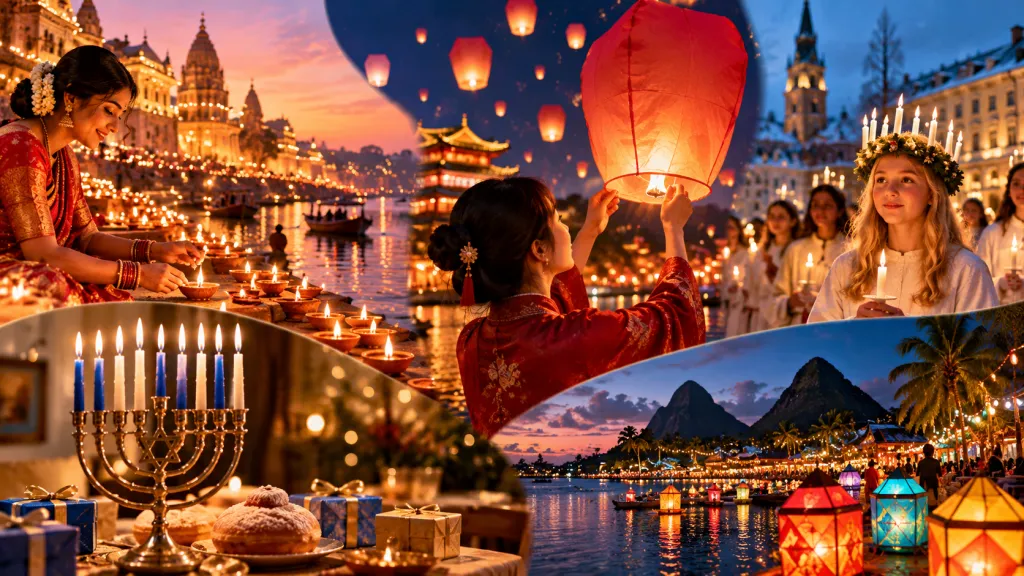
Imagine streets glowing with thousands of lanterns, homes illuminated by tiny clay lamps, families gathering around candlelit windows and entire cities transforming into sparkling wonderlands. Across the world, light has become one of humanity's most beautiful ways to celebrate hope, faith, new beginnings and the triumph of good over evil.
But here's the fascinating part: the world doesn't have just one Festival of Lights. It has many, each with its own story, traditions and cultural significance.
In India, Diwali fills homes with diyas and colourful decorations. In Jewish communities, Hanukkah brings families together to light candles over eight nights. In China, elaborate lantern displays welcome the first full moon of the Lunar New Year. Meanwhile, in Sweden, candlelit processions brighten the long winter nights.
These celebrations may look different, but they share a remarkable connection: the human desire to bring light into darkness. Their origins, however, are distinct, shaped by different religions, histories, seasons and local traditions.
For travellers, these festivals offer something beyond beautiful photographs. They provide an opportunity to experience a destination through its stories, food, music, rituals and the people who keep its traditions alive.
1. Diwali, India: When the World Glows with a Thousand Diyas
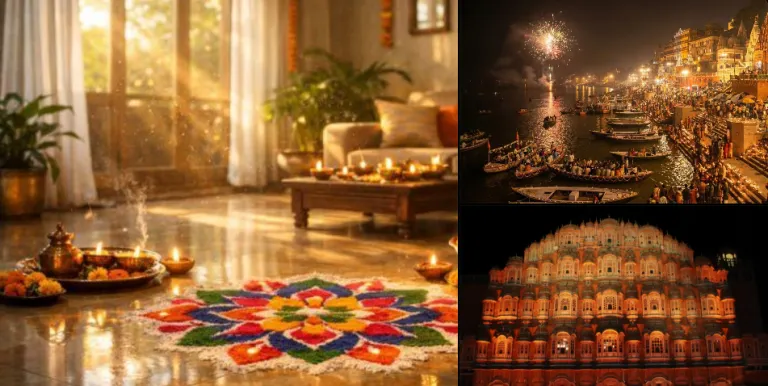
Few celebrations transform India quite like Diwali. As the festival approaches, markets fill with decorative lights, homes are cleaned and decorated, sweets are exchanged, and rows of tiny oil lamps begin appearing on doorsteps, balconies and windows.
Diwali, also known as Deepavali, is associated with the victory of light over darkness and good over evil. For many Hindus, it commemorates Lord Rama's return to Ayodhya after his exile and victory over Ravana. The festival also carries other religious and regional meanings, making it a diverse celebration across India.
The experience is as much about the atmosphere as the rituals. Picture colourful rangoli patterns at entrances, the aroma of freshly prepared sweets, families dressing in festive clothes and neighbourhoods sparkling well into the evening.
Where to experience it: Ayodhya is renowned for its grand illuminations, while Varanasi offers a memorable combination of lamps, riverfront celebrations and spiritual atmosphere. Jaipur's illuminated markets and historic architecture are another festive spectacle.
Travel tip: Book accommodation early in popular destinations, expect crowds around major temples and ghats, and choose eco-friendly celebrations where possible.
2. Hanukkah: Eight Nights of Light and Tradition
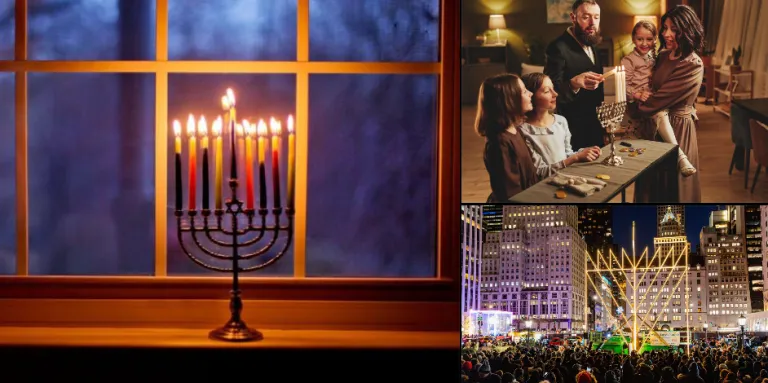
Hanukkah, also spelled Chanukah, is an eight-day Jewish festival commemorating the rededication of the Second Temple in Jerusalem. According to Jewish tradition, a small supply of ritual oil that should have lasted one day miraculously burned for eight days.
The best-known tradition is lighting the hanukkiah, a nine-branched lampstand, adding lights over the eight nights with the help of a ninth candle called the shamash.
But Hanukkah is not just about candles. Families gather to say blessings, sing songs, play dreidel, exchange gifts in some traditions and enjoy foods cooked in oil, including potato pancakes called latkes and jelly doughnuts.
For visitors, the festival can offer a glimpse into the traditions of Jewish communities and the importance of family, faith and cultural continuity.
Where to experience it: Cities such as New York and Jerusalem host public menorah-lighting ceremonies, while local synagogues and community events may offer opportunities to learn more about the festival.
Travel tip: Check local event listings for public celebrations and remember that the customs and scale of observance vary between families and communities.
3. China's Lantern Festival: A Sky Full of Colour and Wishes
If there is one festival that makes you feel as though you've stepped into a fairytale, it might be the Chinese Lantern Festival.
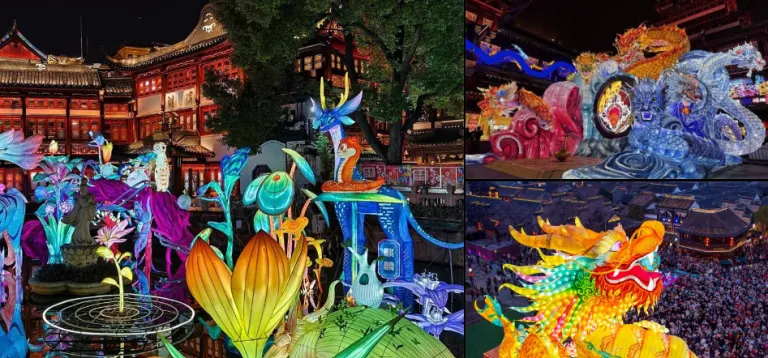
Celebrated on the first full moon of the Lunar New Year, this festival marks the traditional close of the Spring Festival celebrations. Streets, parks and historic gardens come alive with intricate lanterns shaped like animals, flowers, mythical creatures and symbols of good fortune.
And there's more to it than admiring the lights. Visitors can encounter lantern riddles, traditional dragon and lion dances, and tangyuan or yuanxiao - round glutinous rice balls associated with reunion, harmony and family togetherness.
The atmosphere is wonderfully interactive: families stroll through illuminated displays, children marvel at oversized creations, and photographers try to capture the perfect shot beneath a sea of colour.
Where to experience it: Shanghai's Yuyuan Garden is famous for its elaborate lantern displays, while Beijing and other Chinese cities host their own festive lantern fairs.
Travel tip: The date changes each year, so check the Lunar New Year calendar before planning your trip. Popular lantern festivals can attract enormous crowds, especially in the evening.
4. Saint Lucia Day, Sweden: A Little Light in the Darkest Winter
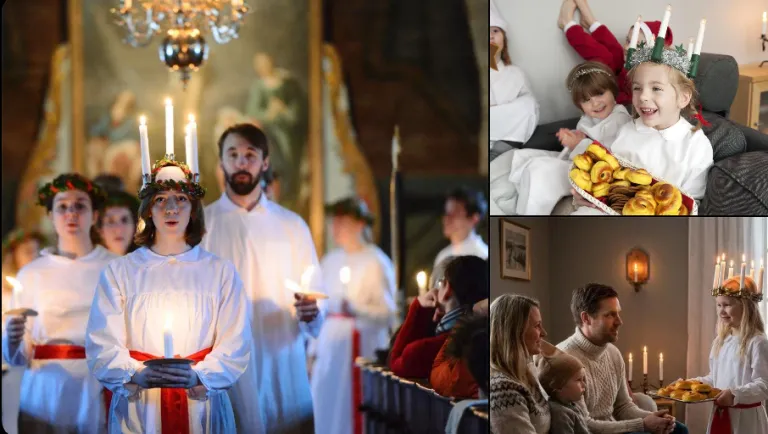
While many festivals of light fill the night sky with spectacular displays, Sweden's Saint Lucia Day offers something quieter and more intimate.
Celebrated on 13 December, Saint Lucia Day brings light into the dark Scandinavian winter through candlelit processions, traditional songs and gatherings.
Participants often dress in white robes, and the procession is led by a figure representing Lucia, traditionally wearing a crown of candles. Saffron buns, known as lussekatter, and gingerbread cookies add a delicious festive touch.
The celebration draws on Christian traditions associated with Saint Lucia, alongside Swedish seasonal customs. Its candlelight carries a simple but powerful message: even during the darkest days of winter, there is warmth to be found in community.
Where to experience it: Stockholm, Gothenburg and smaller Swedish towns host celebrations in churches, schools, public spaces and community venues.
Travel tip: If you visit in December, look for local Lucia concerts and processions. Dress warmly, as winter temperatures can be low, particularly during outdoor events.
5. Festival of Lights and Renewal, Saint Lucia: Caribbean Nights That Sparkle
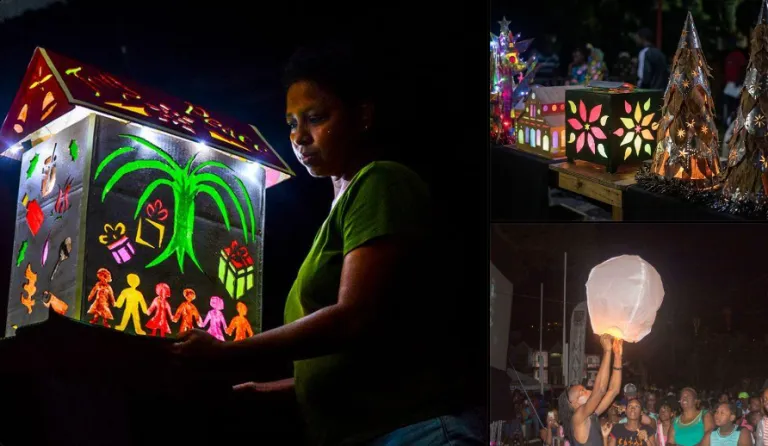
The Caribbean island of Saint Lucia has its own Festival of Lights and Renewal, celebrated around National Day and the feast of Saint Lucy.
The festivities include handmade lanterns, creative competitions, decorated public spaces, music and fireworks. Lanterns have traditionally been used to brighten homes and doorways, and the custom has evolved into a public celebration of creativity and seasonal joy.
Unlike the candlelit stillness of Scandinavian winter, this celebration combines the symbolism of light with the lively rhythms and festive spirit of the Caribbean.
It's a wonderful reminder that a shared symbol can take on a completely different character depending on the culture and place in which it is celebrated.
Where to experience it: Castries, the island's capital, is a key centre for National Day festivities.
Travel tip: Check the official event programme before travelling, as lantern competitions and public celebrations take place on particular dates.
Planning a Trip Around a Festival of Lights
For travellers, timing a holiday around one of these celebrations can transform an ordinary sightseeing trip into a memorable cultural experience.
Choose your atmosphere. Prefer grand illuminations and bustling streets? Consider Diwali in India or China's Lantern Festival. Want something more intimate? Explore a Saint Lucia procession in Sweden.
Check the dates carefully. Several festivals follow lunar calendars, so their dates change each year.
Stay near the celebrations. Accommodation within walking distance can make it easier to attend evening events without relying on crowded transport.
Explore beyond the main attraction. Visit local markets, sample traditional festive foods and learn about the stories behind the rituals.
Celebrate respectfully. Follow local customs, ask before photographing religious ceremonies and remember that some events are primarily religious rather than tourist spectacles.
Final Thoughts: Different Traditions, One Beautiful Symbol
From the glow of diyas across India to the intricate lanterns of China and the quiet candlelit processions of Sweden, festivals of light reveal how cultures find their own ways to express hope, faith, remembrance and belonging.
They are not simply different versions of the same festival. Each has a distinct history and meaning, shaped by the people who celebrate it.
Yet when thousands of lamps illuminate a street or a family gathers around a single candle, something feels familiar across borders. The rituals may differ, but the desire to share warmth, celebrate life and look forward to a brighter future is widely understood.
Perhaps that is what makes these celebrations so special for travellers: you can cross continents, encounter unfamiliar traditions and still recognise the universal joy of a world lit up together.
Published at
About Author

Atihsin
Subscribe our Newsletter
Get our weekly tips and travel news!
Related Posts
10 Underrated Places to Travel in 2026: Beautiful Destinations Away from the Crowds
Escape the usual tourist hotspots and discover 10 underrated places to travel in 2026, featuring scenic mountain valleys, historic towns, remote islands and peaceful coastal escapes.
10 Peaceful Things to Do in Rishikesh Away from Crowds
Discover 10 peaceful things to do in Rishikesh, from hidden waterfalls and quiet riverside walks to scenic mountain views, forest trails and relaxing yoga retreats.
Top 7 Visa-Free Destinations for Indians in 2026: Travel Abroad Without the Visa Hassle
Discover 7 visa-free countries for Indians in 2026, including entry rules, travel costs, top attractions and practical tips for planning your next international trip.
Air India Express Is Bringing Festive Flavours to the Sky
Flying this Navratri? Explore Air India Express’s special onboard meal, featuring Sabudana Khichdi, Vrat Sheera and fruit, plus booking tips.
Planning a trip? Discover the different types of travel insurance, what they cover, common exclusions and how to decide whether travel insurance is worth it.
Latest Posts
Countries With No Traffic Lights: Places Where Traffic Moves Without Red Lights
Imagine a place where roads have no red lights, green lights or countdown timers. Discover unusual destinations where traffic is managed through human direction, restricted vehicles and alternative road systems.
The World's Most Haunted Hotels: 7 Hotels Where History Meets the Paranormal
Would you spend a night in a hotel believed to be haunted? Discover seven historic hotels around the world famous for ghost sightings, mysterious incidents and chilling legends.
Places Where It Never Gets Dark: 7 Destinations Where the Sun Never Sets
Imagine exploring a destination at midnight under a glowing summer sky. Discover seven places around the world where daylight lasts almost 24 hours, creating the magical Midnight Sun experience.
Countries With No Airports: How Do They Welcome International Travellers
Discover 5 countries with no conventional airports, why they don't have one, and how travellers can reach these unique destinations through neighbouring countries.
New International Flights from India in 2027 – Routes, Airlines and Destinations
India’s international flight network is set for new developments in 2027, with Air India launching Delhi–Osaka flights and airlines expanding services from Navi Mumbai.