
Adventure Tourism in India Grows Over 20% in 2025: Trekking to Skydiving
India's Adventure Tourism Boom Hits Record Highs in 2025
Adventure tourism in India has witnessed remarkable growth in 2025, with bookings surging by double digits across multiple age groups and destinations. Travel operators report that adventure-based travel has moved from niche interest to mainstream preference, as Indians increasingly prioritize unique experiences over conventional sightseeing vacations.
EaseMyTrip recorded moderate double-digit growth in adventure tourism bookings during 2025 compared to 2024, while Thomas Cook India and SOTC Travel observed rising momentum for adventure-led holidays throughout the year. This trend spans from high-altitude treks and mountain biking within India to international experiences like alpine kayaking in Switzerland, husky safaris in Scandinavia, and Northern Lights excursions.

Why Adventure Travel Is Growing Among Indians
Several factors drive this adventure tourism explosion. Rising disposable incomes enable middle-class Indians to explore beyond traditional pilgrimage and leisure destinations. Social media influence plays a significant role, as travelers seek Instagram-worthy experiences that showcase thrilling activities and breathtaking landscapes.
Younger demographics, particularly millennials and Gen Z travelers, lead this transformation. These digital natives value experiences that challenge them physically and mentally while creating shareable content for their social networks. The shift from material consumption to experiential spending fuels demand for activities that create lasting memories.
Improved accessibility through better flight connectivity, streamlined visa processes, and competitive pricing has made international adventure destinations more feasible for Indian travelers. Domestic adventure circuits have also benefited from infrastructure improvements under government schemes like Swadesh Darshan, making previously difficult-to-reach locations more accessible.
Top Adventure Activities Indians Are Booking in 2025
High-altitude trekking remains the most popular adventure activity for domestic travelers. Himalayan routes in Uttarakhand, Himachal Pradesh, and Ladakh attract thousands seeking snow-capped peaks and pristine mountain environments. Popular treks include Chadar Trek, Valley of Flowers, Roopkund, and Hampta Pass.
Mountain biking has gained tremendous traction, with trails in Manali, Leh-Ladakh, and Sikkim offering varying difficulty levels. These routes combine physical challenge with spectacular scenery, appealing to fitness enthusiasts and nature lovers alike.

Water sports experiences, including white-water rafting in Rishikesh, scuba diving in Andaman Islands, and kayaking in Kerala backwaters, show strong booking growth. Coastal destinations are expanding their adventure offerings beyond traditional beach relaxation to capture this growing market segment.
International Adventure Destinations Attracting Indian Travelers
Switzerland's Interlaken has become a premier destination for Indians seeking skydiving, jet boating, and alpine kayaking experiences. The combination of stunning Alpine scenery and world-class adventure infrastructure justifies the higher costs for many travelers seeking bucket-list experiences.
Croatia's islands, including Hvar, Split, and the famous Blue Grotto, attract travelers interested in sailing and yacht-based itineraries. The Mediterranean's crystal-clear waters and picturesque coastlines provide perfect settings for maritime adventures that differ from India's coastal experiences.
Scandinavia generates increasing interest for winter adventures including snowmobiling, ice fishing, husky safaris, and Northern Lights viewing. These unique cold-weather experiences offer novelty for Indian travelers from tropical and subtropical climates.
South Africa remains a preferred choice for marine-life safaris and cage-diving experiences with great white sharks. The continent's diverse wildlife and adventure opportunities create compelling reasons for long-haul travel despite higher costs.
Budget-Friendly Adventure Destinations Rising
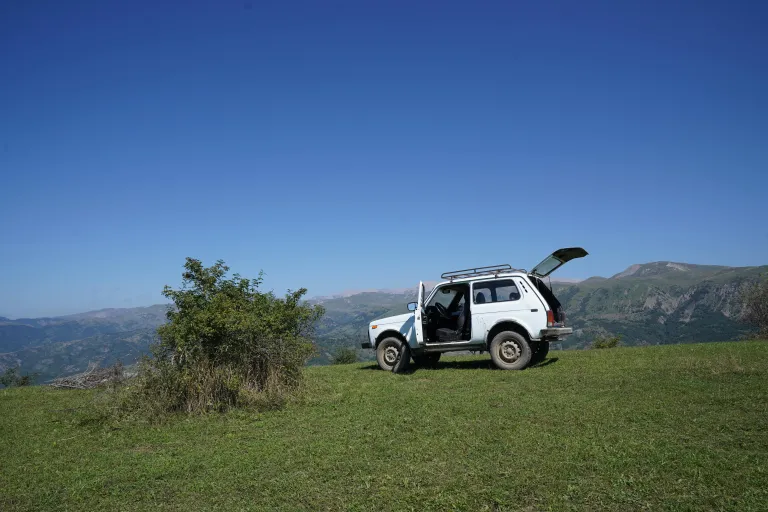
Kazakhstan is gaining significant momentum among younger Indian travelers seeking affordable mountain and outdoor activities. The Central Asian nation offers dramatic landscapes similar to Switzerland at a fraction of the cost, making it ideal for budget-conscious adventure seekers.
Bali continues attracting travelers with its combination of surfing, diving, volcano trekking, and rice terrace cycling. The Indonesian island provides adventure experiences within reasonable budgets while offering cultural immersion and relaxation options.
Singapore, though traditionally known for urban attractions, is drawing adventure tourists through activities like indoor skydiving, cable park wakeboarding, and zip-lining at Sentosa Island. These controlled adventure experiences appeal to first-time adventure seekers.
Budget Planning for Adventure Tourism
For domestic adventure trips lasting five to seven days, budget options generally range from Rs 12,000 to Rs 20,000 per person. These packages typically include basic accommodations, meals, transport, and guided adventure activities.
Mid-range domestic adventure packages offering better accommodation, more activities, and experienced guides cost between Rs 25,000 to Rs 40,000 per person for similar durations. Premium packages with luxury stays and exclusive experiences can exceed Rs 60,000.
International adventure trips vary significantly by destination. Southeast Asian adventures to Thailand, Vietnam, or Indonesia typically cost Rs 50,000 to Rs 80,000 for week-long trips including flights. European adventure holidays to Switzerland or Scandinavian countries range from Rs 1,50,000 to Rs 2,50,000 per person depending on season and activities.
Age Groups Embracing Adventure Travel
While younger travelers dominate adventure tourism bookings, the trend spans multiple age groups. Millennials aged 25-35 form the largest segment, often traveling solo or with friends for intense activities like trekking, diving, and extreme sports.
Gen Z travelers aged 18-24 show increasing participation, particularly in budget-friendly domestic adventures and Southeast Asian destinations. This demographic prioritizes social media content creation alongside the adventure experience itself.
Surprisingly, travelers aged 35-50 represent growing adventure tourism segments. These established professionals with higher disposable incomes seek premium adventure experiences, often combining comfort with thrills through activities like luxury safaris, yacht sailing, and helicopter tours.
Even families with children are incorporating adventure elements into vacations through age-appropriate activities like nature trails, river rafting on calmer stretches, and wildlife safaris. This democratization of adventure travel expands the market beyond traditional young-adult demographics.
Travel Operators Responding with Specialized Packages
Recognizing this boom, travel companies are launching dedicated adventure tourism products. EaseMyTrip announced plans to expand specialized, theme-based, and experiential adventure packages to meet rising demand throughout 2026.
Thomas Cook India and SOTC Travel are curating multi-activity packages that combine several adventure experiences in single itineraries. These packages reduce planning complexity while ensuring travelers maximize their adventure opportunities within limited vacation time.
Regional tour operators are also entering the adventure market, offering localized expertise for domestic destinations. These smaller players provide customized experiences, off-beat locations, and deeper engagement with local adventure communities.
Safety and Training Infrastructure Improving
As adventure tourism grows, safety standards and training infrastructure are improving across India. Professional climbing schools, certified diving centers, and licensed paragliding operators ensure travelers receive proper instruction before attempting activities.
Government initiatives focus on creating adventure tourism guidelines, certifying operators, and establishing safety protocols. These regulations protect travelers while professionalizing the adventure tourism sector, making it more attractive for mainstream tourists previously deterred by safety concerns.
Insurance companies are introducing specialized adventure travel policies covering medical emergencies, evacuation, and activity-specific risks. This insurance availability provides peace of mind for travelers and their families, removing psychological barriers to adventure participation.

Sustainability Concerns in Adventure Tourism Growth
The rapid growth in adventure tourism raises environmental sustainability questions. Popular trekking routes face challenges from increased foot traffic, waste management issues, and strain on local resources.
Responsible adventure tourism operators are implementing leave-no-trace principles, limiting group sizes, and contributing to conservation efforts. Travelers are becoming more conscious about their environmental impact, seeking operators with credible sustainability practices.
Authorities are introducing carrying capacity limits for sensitive areas, rotating access to different routes, and requiring permits for certain activities. These measures aim to balance tourism growth with ecosystem preservation, ensuring adventure destinations remain pristine for future generations.
Closing Remarks
India's adventure tourism boom in 2025 marks a fundamental shift in how Indians approach travel, moving from passive sightseeing to active participation in thrilling experiences. With double-digit growth across age groups and expanding interest in both domestic and international destinations, the sector shows no signs of slowing. From budget-friendly treks in the Himalayas to luxury safaris in Africa, adventure tourism democratizes access to experiences that build confidence, create memories, and satisfy the growing appetite for Instagram-worthy moments. As infrastructure improves, safety standards strengthen, and sustainability practices mature, adventure tourism is positioned to become a major pillar of India's travel industry, offering economic opportunities while challenging Indians to step outside their comfort zones and discover what they're truly capable of achieving.
Adventure Smart: Always choose certified operators, invest in proper gear, get travel insurance covering adventure activities, and assess your fitness level honestly before booking challenging experiences.
Published at

Subscribe our Newsletter
Get our weekly tips and travel news!
Related Posts
8 Lesser-Known Traditional Markets to Visit in Korea
South Korea is undoubtedly a favourite destination for many travellers! However, instead of the usual shopping and eating, why not do something different for a change on your next trip?Take...
5 Koreatowns in Southeast Asia You Need to Visit in Your Lifetime!
Picture this: You’re watching a Korean drama where the main characters are walking along Seoul’s vibrant streets. It’s a cold winter night. They enter a pocha (a local bar with food) where...
10 Reasons to visit Türkiye (formerly Turkey)
Turkey is an increasingly popular destination for travellers all across the globe, and it’s not difficult to see why. Presenting the perfect marriage between natural phenomena and man-made wonders,...
9 Reasons Why Fiji Is the Best Place to Fall in Love
You’ve probably seen trending posts on Facebook featuring some exquisitely gorgeous beaches and crystal clear waters, some looking almost too good to be true. Heralded as the new Maldives, Fiji is...
Travel Guide to Qatar from India 2023
Qatar, a Middle Eastern gem, seamlessly blends ancient traditions with modernity, alluring Indian travellers of diverse backgrounds. From the age-old practices of falconry and camel racing to the adrenaline-pumping water sports and upscale dining exp...
Latest Posts
Tanzania Introduces Mandatory Travel Insurance for Foreign Visitors in 2026
Planning a trip to Tanzania? A new mandatory travel insurance requirement took effect on 1 October 2026. Here is what international visitors need to know before travelling.
10 Underrated Places to Travel in 2026: Beautiful Destinations Away from the Crowds
Escape the usual tourist hotspots and discover 10 underrated places to travel in 2026, featuring scenic mountain valleys, historic towns, remote islands and peaceful coastal escapes.
Best Emerging Travel Destinations for Indians in 2027: 7 Places to Visit Before They Get Popular
Looking for somewhere new to travel in 2027? Explore seven emerging destinations, including Bishkek, Okinawa, Malvan, Pokhara and Phu Quoc, for your next adventure.
October Getaways: 15 Best Places to Visit in India Before the Winter Rush
October is one of the best months to travel across India, with the monsoon retreating, cooler weather arriving and the country's festive season coming alive.
Austria Visa for Indians: Types and Requirements 2026
Planning a trip to Austria from India? This complete guide covers Austria visa types for Indians, including tourist, visitor, business, student, work and medical visas.