
Best Time to Visit Mexico: Festivals, Hidden Gems & Travel Tips
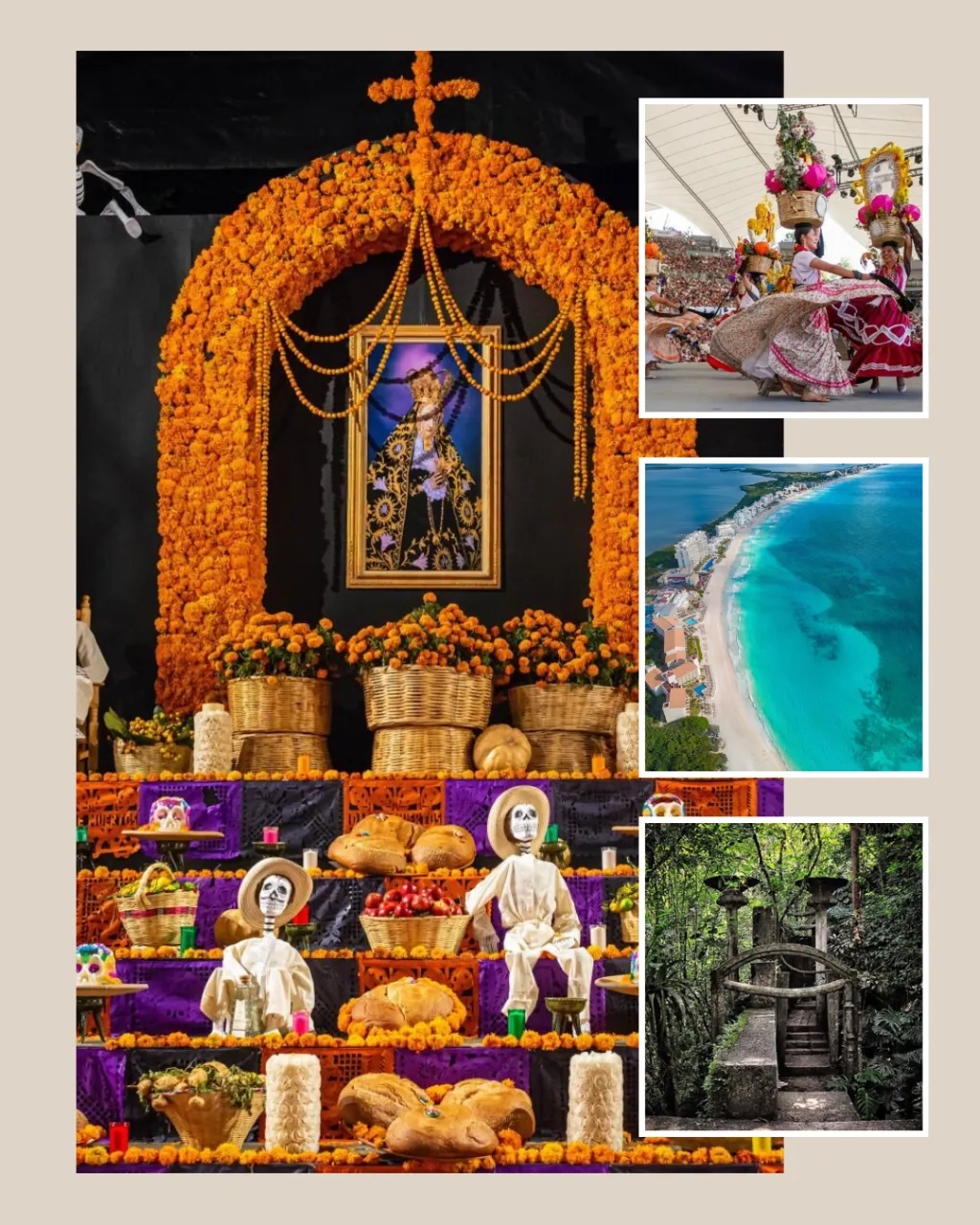
Mexico is more than turquoise beaches, all-inclusive resorts and ancient pyramids. It is a country where you can spend one day wandering through colourful colonial streets, the next swimming in a hidden jungle cenote, and the following evening eating tacos at a roadside stall while a mariachi band plays nearby.
But here's the interesting part: Mexico can feel like a completely different country depending on when you visit. Winter brings whale-watching adventures and sunny beach days, spring is perfect for exploring historic cities, summer celebrates Indigenous culture through spectacular festivals, and autumn offers some of the country's most meaningful traditions.
So, when is the best time to visit Mexico? That depends on whether you want postcard-perfect weather, lively festivals or a quieter journey beyond the usual tourist trail.
This guide explores the best times to visit Mexico, what to do during each season, and where to go if you want experiences that feel a little less ordinary.
At a Glance: When Should You Visit Mexico?
November to February: Best for comfortable sightseeing, winter sunshine, whale watching and cultural exploration.
March to April: Ideal for beaches, archaeological sites and spring travel, although popular destinations can get crowded.
May to June: A good shoulder-season option for exploring quieter towns, cenotes and lush landscapes, provided you can handle the heat and occasional rain.
July to August: Best for cultural festivals, surfing on parts of the Pacific coast and seasonal wildlife experiences.
September to October: Worth considering for arts festivals, food experiences and less crowded inland destinations, but rain and tropical storm risks need careful planning.
Mexico's climate varies considerably between its tropical coastlines, high-altitude cities and northern deserts. Rather than searching for one perfect month, choose a season that matches the kind of adventure you want.
1. November to February: Mexico at Its Most Inviting
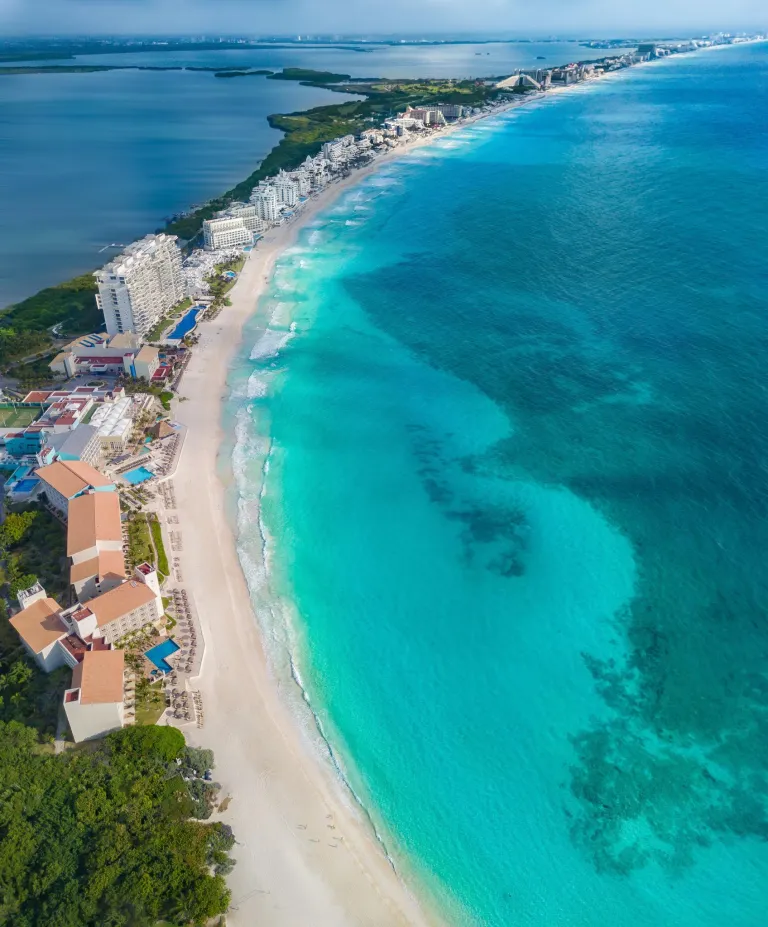 Image credit: Julie Corsi / Wikimedia Commons / CC BY 2.0.
If this is your first trip to Mexico, start with the dry-season months. Much of the country experiences relatively comfortable conditions for exploring, and outdoor sightseeing becomes easier without the persistent heat and rainfall found in some regions during summer.
Naturally, this is also a popular travel period, especially around Christmas and New Year. But if you choose your destinations carefully, the experience can be well worth it.
What should you explore?
Spend a few days in Oaxaca. Wander through colourful streets, browse local craft markets and discover why the city is celebrated for its food. Try mole, tlayudas and freshly prepared chocolate, and leave room for a cooking class or a guided market tour.
Head to Baja California for whale watching. Winter brings opportunities to observe migrating gray whales in designated lagoons and humpback whales along parts of the Pacific coast. Choose responsible operators that follow wildlife-viewing guidelines.
Explore Mexico's historic heart. Mexico City offers world-class museums, neighbourhood cafés and street-food adventures, while nearby Teotihuacán is an unforgettable day trip for anyone fascinated by ancient civilizations.
Escape to the Caribbean. Cancún and the Riviera Maya are popular for a reason: white-sand beaches, turquoise water, snorkeling and cenotes. For a more relaxed atmosphere, consider staying outside the busiest resort zones.
A seasonal experience worth planning around
From approximately November to March, monarch butterflies gather in forest sanctuaries in the mountains west of Mexico City, particularly in Michoacán and neighbouring areas. Witnessing thousands of butterflies in their winter habitat can be a memorable nature experience.
Visit with authorised guides and follow sanctuary rules to minimise disturbance.
Travel tip: December and January can be expensive. Late November, January after the holiday rush, and February outside major events may offer a more comfortable balance between weather and demand.
2. March to April: Beaches, Ancient Ruins and Spring Adventures
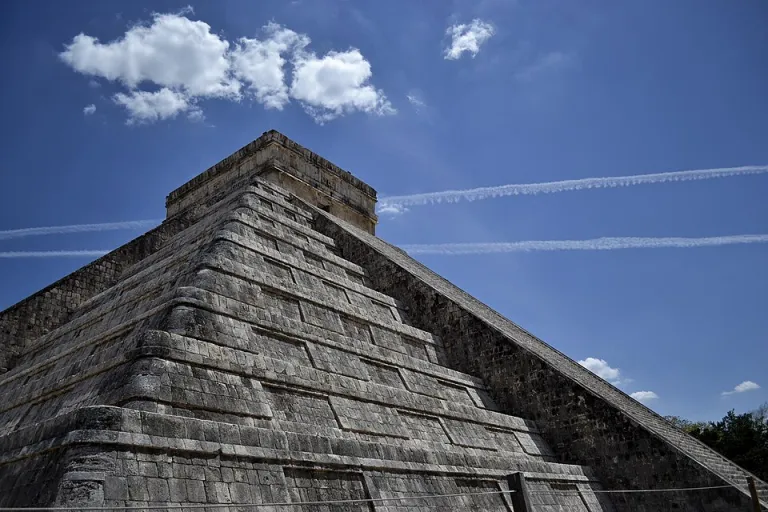 Image credit: LinneUnzueta, CC BY-SA 3.0, via Wikimedia Commons
Spring is an excellent time to combine different sides of Mexico in a single trip. You can spend a few days exploring archaeological sites, head into the countryside for a scenic escape, and finish with a beach holiday.
Temperatures begin rising in several regions, particularly the Yucatán Peninsula, so early starts are your best friend when visiting outdoor attractions.
What should you explore?
Visit the ancient city of Chichén Itzá. This celebrated Mayan archaeological site is one of Mexico's most recognisable landmarks. Arrive early to explore its monuments before the midday heat and larger tour groups arrive.
Discover the colonial charm of San Miguel de Allende. Expect cobblestone streets, art galleries, courtyard cafés and beautiful architecture. It is an appealing destination for travelers who enjoy slow mornings, independent shops and long dinners.
Explore cenotes around Valladolid. These natural freshwater pools, formed in limestone landscapes, offer a refreshing break from the heat. Choose a locally managed cenote and check swimming and safety requirements before entering.
Finish on the Pacific coast. Puerto Vallarta combines beaches, food and a historic town center, while nearby coastal communities offer boat trips, hiking and opportunities to explore beyond the resort areas.
Festivals and seasonal celebrations
Semana Santa, or Holy Week, takes place in March or April depending on the year. Religious processions and local observances take place across Mexico, while many families travel during the holiday period.
The spring equinox also attracts visitors to archaeological sites such as Teotihuacán and Chichén Itzá. These places can become particularly crowded around the event, so visit on another date if you prefer a quieter experience.
Travel tip: Spring break and Easter can drive up prices and crowds, particularly in beach resorts. If you want a relaxed holiday, check the local school-holiday calendar before booking.
3. May to June: The Underrated Season for Curious Travelers
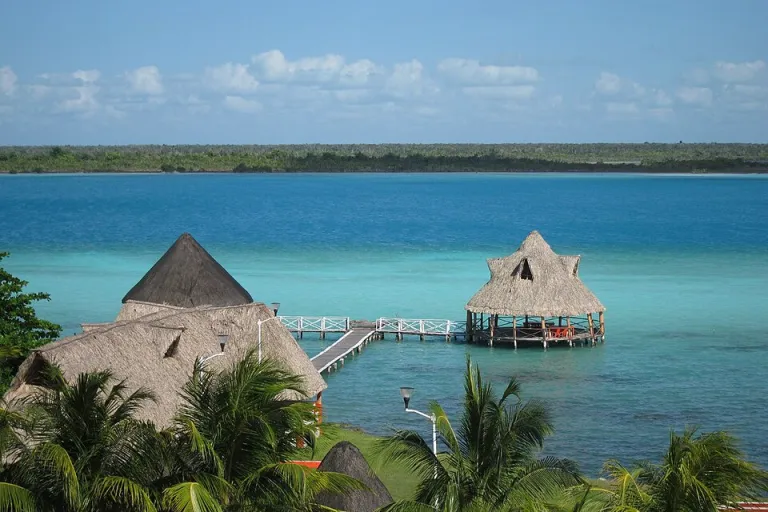 Image credit: Lidia Tretyakova, CC BY-SA 3.0, via Wikimedia Commons
Here's where Mexico becomes particularly interesting for travelers who don't mind exchanging perfect beach weather for a little more spontaneity.
May and June are often considered shoulder-season months in parts of the country. Temperatures can be high, and the rainy season begins in many regions, but this period can also bring greener landscapes, fewer international visitors at certain attractions and better accommodation deals.
Instead of spending your entire holiday in a famous resort, use this season to explore smaller towns, regional food traditions and nature-rich destinations.
Where should you go?
Explore Campeche instead of following the usual Yucatán route. This historic coastal city has colourful façades, fortified walls and a relaxed waterfront atmosphere. Walk through the old town, sample regional dishes and use it as a base for exploring lesser-visited archaeological sites in the surrounding region.
Discover the Sierra Gorda in Querétaro. This mountainous region offers forested landscapes, winding roads, waterfalls and historic Franciscan missions. It is a rewarding option for road trips, nature walks and travelers interested in Mexico beyond its big-name destinations. Check trail conditions and local weather before setting out.
Spend time in Xilitla. Hidden among the lush landscapes of San Luis Potosí, this small town is known for Las Pozas, an extraordinary garden of surreal concrete structures and stairways surrounded by tropical vegetation. It feels very different from Mexico's beach resorts and major cities.
Visit Bacalar's lagoon. Often called the Lagoon of Seven Colours, Bacalar is known for its striking shades of blue. Kayaking, boat excursions and quiet waterfront stays make it attractive to travelers seeking a slower pace. Visit responsible local operators and avoid activities that damage the fragile lagoon ecosystem.
What makes this season special?
The countryside can become increasingly green as rainfall returns. Waterfalls and rivers may be more impressive, and nature-focused trips can be rewarding when conditions are suitable.
For food lovers, it is also an opportunity to slow down and explore local markets, family-run restaurants and regional specialities rather than rushing between major attractions.
Travel tip: Heat can be intense, particularly in the Yucatán. Plan outdoor activities early in the morning, carry water and check forecasts before hiking. Some remote roads and trails become difficult after heavy rain.
4. July to August: Festivals, Surfing and Cultural Discoveries
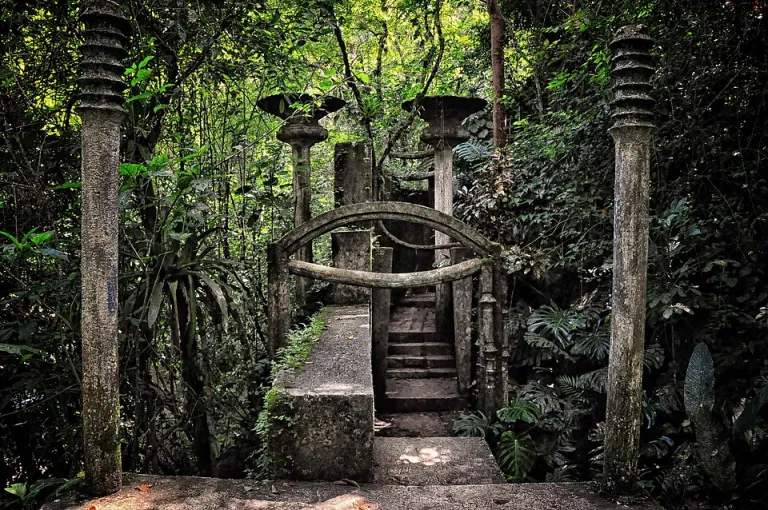 Image credit: Rod Waddington from Kergunyah, Australia, CC BY-SA 2.0, via Wikimedia Common
Summer is hot and humid in many parts of Mexico, with frequent rainfall across tropical regions. Yet this season offers something that a simple weather forecast cannot capture: opportunities to experience the country's cultural diversity through festivals, music, traditional dress, regional cuisine and community celebrations.
The Guelaguetza Festival in Oaxaca
One of the highlights of Mexico's cultural calendar, Guelaguetza takes place in Oaxaca in July. The festival celebrates the traditions of communities from across the state's regions through dance, music, traditional clothing and regional performances.
It is a wonderful opportunity to appreciate Oaxaca's Indigenous and mestizo heritage, with each participating community bringing its own distinctive traditions.
Beyond the main performances, spend time exploring Oaxaca City's markets, food stalls and artisan workshops. You can also arrange visits to nearby villages known for textiles, pottery and other traditional crafts.
Exact event dates and ticket arrangements vary, so check the official programme before travelling.
Surf the Pacific coast
If you enjoy surfing, summer can be a rewarding time to visit parts of Mexico's Pacific coastline.
Puerto Escondido is particularly famous for powerful waves, while other coastal communities offer surf schools and conditions suited to different experience levels. Summer swells can be strong, so beginners should seek qualified instructors and avoid entering unfamiliar waters without guidance.
Not a surfer? Enjoy the coastal atmosphere, explore local seafood restaurants and spend your evenings watching the sunset.
Experience whale shark season
In parts of the Yucatán Peninsula, whale sharks can be encountered seasonally, generally during the warmer months. Sightings depend on local conditions, and the best window varies by location.
Choose authorised operators that follow wildlife-protection rules, maintain appropriate distances and prohibit touching or chasing the animals.
Travel tip: Summer brings heat, humidity and the possibility of heavy rain. The Atlantic and eastern Pacific hurricane seasons overlap with this period, so keep an eye on official forecasts and consider flexible bookings.
5. September to October: Festivals, Food and a Quieter Side of Mexico
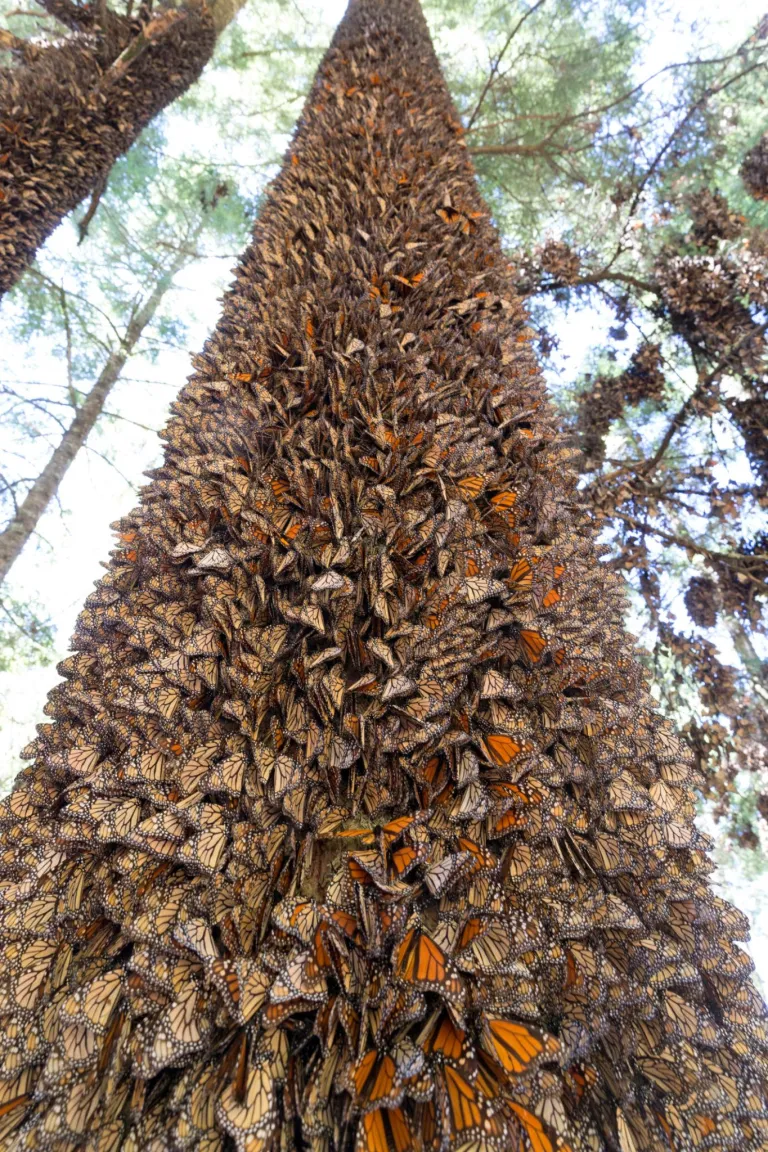 Image credit: Rod Waddington from Kergunyah, Australia, CC BY-SA 2.0, via Wikimedia Common
September and October are often overlooked by visitors planning their first Mexican holiday. Rainfall can remain frequent, and tropical storm risks are important considerations for coastal destinations.
However, inland cities and cultural centres can offer rewarding experiences if you plan carefully.
Celebrate Mexican Independence Day
On September 15 and 16, Mexico celebrates its independence with patriotic ceremonies, music, flags, food and public gatherings.
Mexico City's Zócalo is a major focal point, but towns and cities throughout the country hold their own festivities. The atmosphere can be especially memorable if you enjoy experiencing a destination alongside local residents.
Expect crowds around major events and follow local guidance regarding access and security.
Discover the International Cervantino Festival
Guanajuato hosts the International Cervantino Festival, a major arts event traditionally held in October. The programme features performances and cultural events spanning theatre, music, dance and other art forms.
The city's colourful streets, hillside views and historic architecture provide a wonderful setting for an arts-focused trip.
Check the official dates and programme for the year you plan to visit, as schedules and performances change.
Explore Mexico through its food
Autumn is a particularly interesting time to explore regional Mexican cuisine. In September, Independence Day celebrations often feature chiles en nogada, a dish associated with Puebla and traditionally prepared with seasonal ingredients.
In Oaxaca and other inland destinations, visit local markets, join a cooking class or book a food tour to learn about regional ingredients and traditional preparation methods.
Travel tip: If your priority is a beach holiday with reliable sunshine, this is not the safest general window to choose. If your priority is culture, food and arts, however, an inland itinerary can work well with a little flexibility.
Don't Miss These Mexican Festivals
If you want to plan your holiday around a cultural event, these are some of the most rewarding experiences to consider.
Día de los Muertos - Late October to Early November
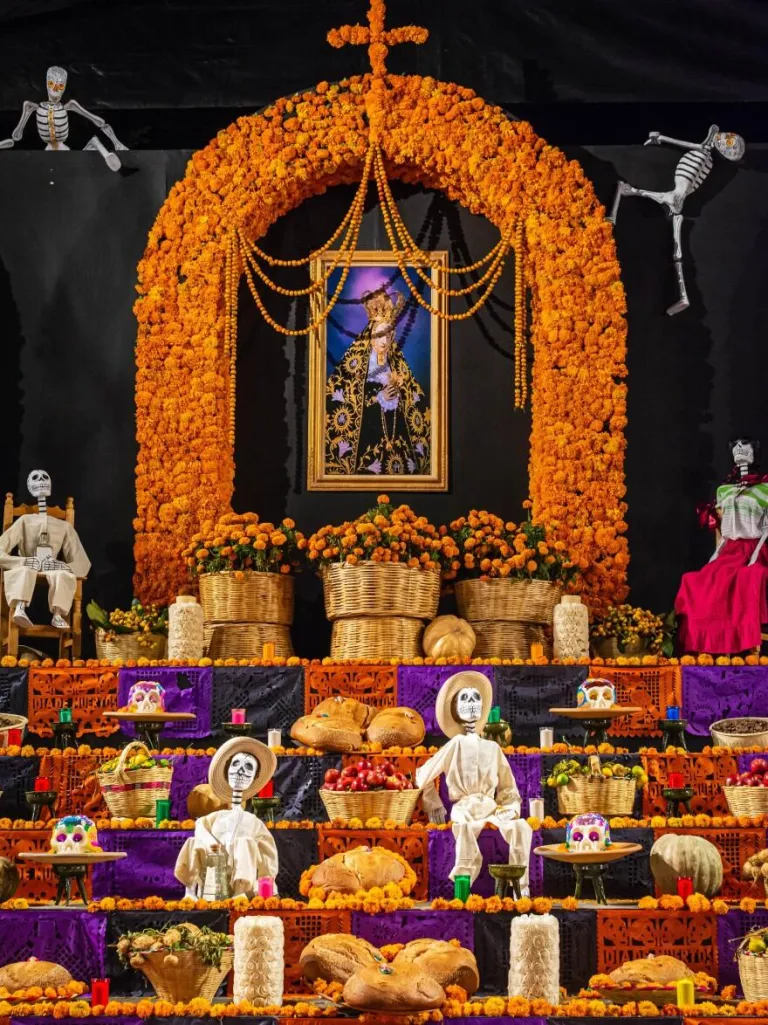
Día de los Muertos, or Day of the Dead, honours deceased loved ones through family gatherings, decorated altars, marigold flowers, candles, photographs and traditional foods.
Oaxaca and Mexico City are popular places to experience public celebrations, but the traditions vary considerably across Mexico.
For an alternative perspective, consider Pátzcuaro and the surrounding communities in Michoacán, where observances around the lake have deep local significance. The Huasteca region also celebrates Xantolo, a distinctive regional expression of the season.
Approach these events with respect. Many activities are family or community traditions rather than performances designed for visitors. Ask before photographing people, especially during private or religious observances.
Carnaval - February, with dates varying each year
For music, parades, colourful costumes and lively street celebrations, consider Carnaval in Veracruz or Mazatlán.
These festivals take place before Lent, and their exact dates change annually. Expect busy streets, festive performances and increased demand for accommodation.
If you enjoy energetic city celebrations, this can be an exciting reason to visit Mexico in February.
Guelaguetza - July
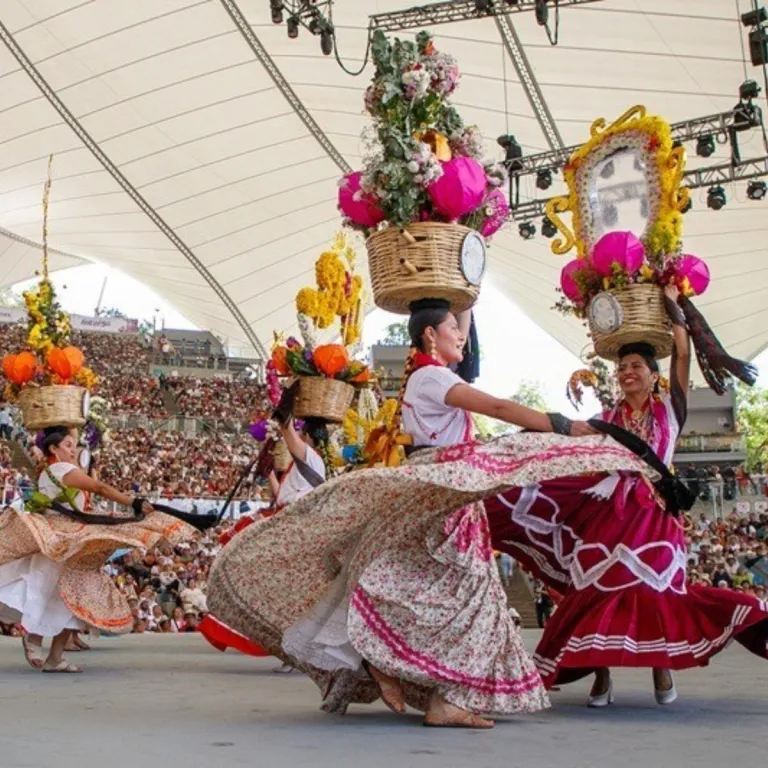 Oaxaca's Guelaguetza is a standout choice for travelers interested in Indigenous cultures, regional dance and traditional music.
Plan to spend extra time in Oaxaca City so you can explore the markets, visit artisan communities and enjoy the regional cuisine alongside the festival itself.
Las Posadas - December
From mid-December, communities across Mexico celebrate Las Posadas, a series of traditional gatherings leading up to Christmas.
Expect processions, songs, piñatas and seasonal foods in communities that observe the tradition. The celebrations offer a more intimate look at Mexico's festive culture beyond resort parties and major tourist attractions.
How to Choose the Right Time for Your Mexico Trip
Rather than trying to see everything in one visit, match your travel dates to your interests.
For the classic Mexico holiday: Visit between November and February for generally drier weather, cultural sightseeing and beach escapes.
For beaches and ancient history: Choose March or early April, while checking spring-break and Easter dates.
For hidden towns and nature: Consider May or June if you are comfortable with heat and possible rain.
For music, dance and cultural festivals: Visit Oaxaca in July for Guelaguetza.
For food, arts and local traditions: Explore inland cities in September and October, allowing for weather-related flexibility.
For Día de los Muertos: Plan for late October or early November and reserve accommodation well ahead of time.
Practical Tips for Planning a Mexico Holiday
Book festival trips early. Accommodation in Oaxaca around Día de los Muertos and Guelaguetza can be in high demand.
Think regionally. Mexico is a large country with substantial travel distances. Combining distant destinations can leave you spending more time in transit than exploring.
Respect the weather. Coastal heat, mountain temperatures and tropical rainfall require different packing lists. Check local forecasts rather than relying on national averages.
Look beyond the famous resorts. Smaller towns, community markets and regional food destinations can reveal a more personal side of Mexico. Research transport and accommodation in advance, particularly for rural locations.
Choose responsible experiences. Use reputable guides for wildlife activities, follow conservation rules at cenotes and natural areas, and support local artisans and businesses.
Final Verdict: So, When Is the Best Time to Visit Mexico?
For most first-time travelers, November to February offers the best overall balance of weather and experiences. It is a strong season for beaches, historic cities, outdoor activities and wildlife.
But if you want a trip that feels different from the usual holiday, consider travelling in May or June to explore quieter towns and lush landscapes, or head to Oaxaca in July for Guelaguetza. For cultural immersion, late October and early November bring Día de los Muertos, one of Mexico's most distinctive traditions.
The real secret is to plan around the experience rather than the calendar alone. Mexico rewards travelers who slow down, try unfamiliar food, explore beyond the obvious attractions and make time for the traditions that give each region its character.
Published at
About Author

Atihsin
Subscribe our Newsletter
Get our weekly tips and travel news!
Related Posts
The only Backpacking Guide for India that you'll ever need
Embark on a soulful backpacking adventure across India! This guide ensures a memorable journey, creating lifelong memories and a deep appreciation for the extraordinary. Enjoy every moment of exploration. Safe travels!
10 Backpacking Destinations in India that you must check out in 2024
In 2024, explore India's diverse beauty with these 10 must-visit backpacking destinations, offering mountains, beaches, and cultural gems for every traveler.
10 Amazing Backpacking Destinations to Add to Your List in 2024
From spiritual havens to nomadic adventures, explore a tapestry of cultures and landscapes, promising an unforgettable journey.
Back Packing Checklist for India - Things you need for Backpacking in 2024
Gear up for your epic Indian backpacking adventure! This guide outlines essentials like clothes, travel docs, tech, and embrace the "Jugaad". Pack light, stay open-minded, and prepare for chai spills and unforgettable memories!
India emerges as 5th largest source of tourists for US
India has become the 5th largest source of tourists for the US, driven by a growing middle class and adventurous travelers. Visa delays remain a challenge, but the US is taking steps to address them. The future of Indian tourism to the US is bright!
Latest Posts
Best Places to Visit in India During Diwali Holidays 2026
Planning a Diwali holiday in 2026? Explore eight destinations across India, including Ayodhya, Jaipur, Amritsar, Goa and Varanasi, for a memorable festive getaway.
Scenic Group 2027 India & Sri Lanka Cruises: Hooghly River
Scenic Group unveils five luxury India and Sri Lanka journeys for 2027-28, featuring the Scenic Aura’s debut on the Hooghly River. Discover historic Bengal, royal Rajasthan, South India's cultural treasures and Sri Lanka's ancient landmarks through immers
Delhi Metro to Increase Train Services Under GRAP-I: 20 Additional Trips
Delhi Metro will operate 20 additional weekday train trips from October 22, 2026, as Delhi-NCR implements GRAP-I to combat rising air pollution. Discover how the move, along with DMRC’s anti-dust measures, aims to promote public transport and improve air
Top 5 Best Hotels to Stay in Africa for a Luxury and Unforgettable Holiday
From extraordinary wildlife encounters in South Africa to tropical island retreats and Moroccan palace hotels, discover five of Africa's most remarkable places to stay.
Festive-Season Flight Tickets Are Getting Expensive in India: Tips to Book Early and Save
Flight fares in India often rise during Diwali, Christmas and New Year as holiday demand increases. Find out why tickets get expensive and how advance planning can help you save.